
Ultimate Selection Of Parking Lot Site Preparation Gear
Find the most comprehensive range of products to streamline your parking lot site prep, from grading to surface finishing.
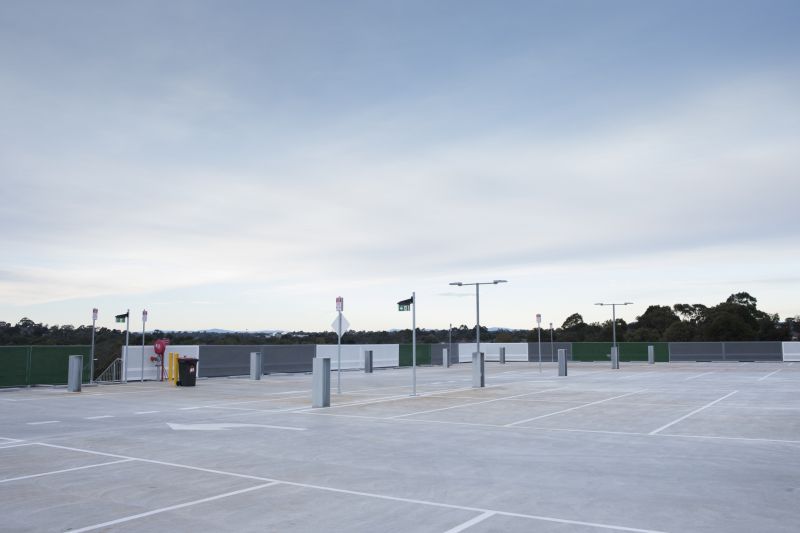 Preparing a parking lot site requires a comprehensive approach to ensure durability, safety, and functionality. The process often begins with site assessment to identify existing conditions and potential challenges. Once the groundwork is understood, selecting the right products is crucial for a successful project. From surface preparation materials to foundational components, the assortment of products available caters to various project sizes and specifications.
Top Overall Option
Heavy-Duty Pavement Sealant
A high-performance pavement sealant is essential for protecting asphalt surfaces from weathering, oxidation, and minor damages. It forms a protective barrier that helps preserve the integrity of the pavement, reducing the need for frequent repairs. When choosing a sealant, consider options that offer excellent adhesion, UV resistance, and ease of application to ensure a smooth and durable finish. Proper application of a quality sealant can contribute to the longevity and appearance of a parking lot, making it a valuable investment for long-term site maintenance.
Types of Products For Parking Lot Site Preps
Asphalt Mix
Used for creating durable and smooth pavement surfaces, asphalt mix is a fundamental material for parking lot construction and repairs.
Concrete Pavers
Interlocking concrete pavers provide a versatile and permeable surface option, suitable for decorative and functional parking areas.
Gravel and Crushed Stone
These materials serve as base layers or surfacing options, offering stability and drainage for parking lots.
Geotextile Fabrics
Geotextiles reinforce soil stability, prevent mixing of subgrade and base materials, and improve drainage.
Drainage Catch Basins
Catch basins collect surface water runoff, helping prevent water accumulation and damage to the pavement.
Trench Drains
Trench drains provide effective surface water management across large parking areas.
Sealcoats
Sealcoats protect asphalt surfaces from oxidation, UV damage, and minor surface cracks.
Line Marking Paints
Specialized paints are used to create clear, durable parking lot markings and signage.
Traffic Signage
Signs are essential for directing traffic flow and ensuring safety within parking areas.
Edge Restraints
Edge restraints help maintain the shape and stability of the parking surface, preventing spreading and erosion.
Lighting Fixtures
Proper lighting enhances safety and visibility during nighttime hours in parking lots.
Surface Preparation Tools
Tools such as scarifiers, grinders, and compactors are used to prepare and condition surfaces before applying coatings or paving.
Paving Machines
Paving equipment ensures even distribution and compaction of asphalt or concrete during installation.
Expansion Joints
Expansion joints accommodate movement and temperature fluctuations, preventing cracks and damage.
Edge Trimmers
Edge trimmers help create clean, precise borders along pavements and walkways.
Berms and Curbs
These features define parking boundaries, direct water flow, and enhance safety.
Permeable Paving Systems
Permeable systems allow water to pass through, reducing runoff and aiding in drainage.
Popular Choices
A versatile product used to fill and seal cracks, helping to prevent water infiltration and further deterioration.
Temporary or permanent tape used for creating clear parking lines and markings quickly.
Cones are used for directing traffic, marking hazards, or reserving spaces during maintenance.
Markers improve visibility of parking lot boundaries and lane divisions, especially at night.
Lighting towers provide temporary illumination during construction or maintenance activities.
Pre-mixed patching compounds designed for quick and effective pothole repairs.
Stops are placed at parking space ends to prevent over-rolling and protect property.
Tools for creating clean edges along pavements and landscaped areas.
Drain grates facilitate surface water runoff management in high-traffic areas.
Used for fixing cracks, chips, or damaged sections of concrete surfaces.
Posts support signage for directions, regulations, and safety warnings.
Power washers and sweepers keep the parking lot clean and free of debris.
Barricades help cordon off work zones and guide vehicle and pedestrian movement.
Applied to barriers or curbs for enhanced nighttime visibility.
Speed bumps are used to control vehicle speed within parking lots.
Used for cutting concrete or asphalt for repairs or installing new features.
Specialized paint remover for updating or removing old parking lot markings.
Proper site prep involves clearing debris, grading, and compacting the soil to create a stable base. Surface treatments such as asphalt, concrete, or permeable pavers are then applied based on the desired longevity and usage. In addition, drainage solutions like catch basins and trench drains are essential for managing water runoff and preventing damage. Each stage relies on specialized products designed to optimize the process and ensure the longevity of the parking lot.
Choosing appropriate materials also involves considering the climate, traffic volume, and maintenance requirements. Heavy-duty sealants and surface coatings can extend the lifespan of the pavement, while marking and signage products improve safety and navigation. Whether constructing a new lot or renovating an existing one, the right selection of products can significantly influence the project outcome. Careful planning and the use of quality materials help create a parking area that is safe, durable, and efficient for years to come.
Key Buying Considerations
- Compatibility with existing pavement materials and conditions
- Durability and resistance to weathering and traffic wear
- Ease of application and drying time
- Surface compatibility, whether asphalt, concrete, or permeable pavers
- Drainage and water management features
- Safety features such as reflective markings and signage
- Flexibility for future modifications or expansions
- Cost-effectiveness over the lifespan of the product
- Availability of technical support and instructions
- Environmental factors that may influence product performance
- Compliance with local regulations and standards
- Maintenance requirements and longevity
- Impact on vehicle and pedestrian safety
- Size and coverage area of the product
- Compatibility with tools and equipment used in site prep